Building Resilient Supplier Networks: Lessons from Fortune 500 Programs
Why Supplier Resilience Separates Market Leaders from Laggards
Recent global disruptions have exposed a painful truth: most supplier networks were designed for cost efficiency, not resilience. Companies that invested in resilient supplier ecosystems recovered 2-3x faster than those that optimized solely for lowest cost. The difference between a minor hiccup and a catastrophic supply chain failure often comes down to how your supplier network is architected.
The Dual-Source Minimum: Eliminating Single Points of Failure
The most fundamental principle of supplier resilience is eliminating single-source dependencies for critical components. Fortune 500 best practice dictates a minimum of two qualified sources for any component where a supply disruption would halt production. This does not mean splitting volume 50/50 — a 70/30 or 80/20 split maintains leverage while providing a qualified backup. The key is that the secondary source must be fully qualified and regularly producing, not a paper backup that has never been tested.
Geographic Diversification Strategies
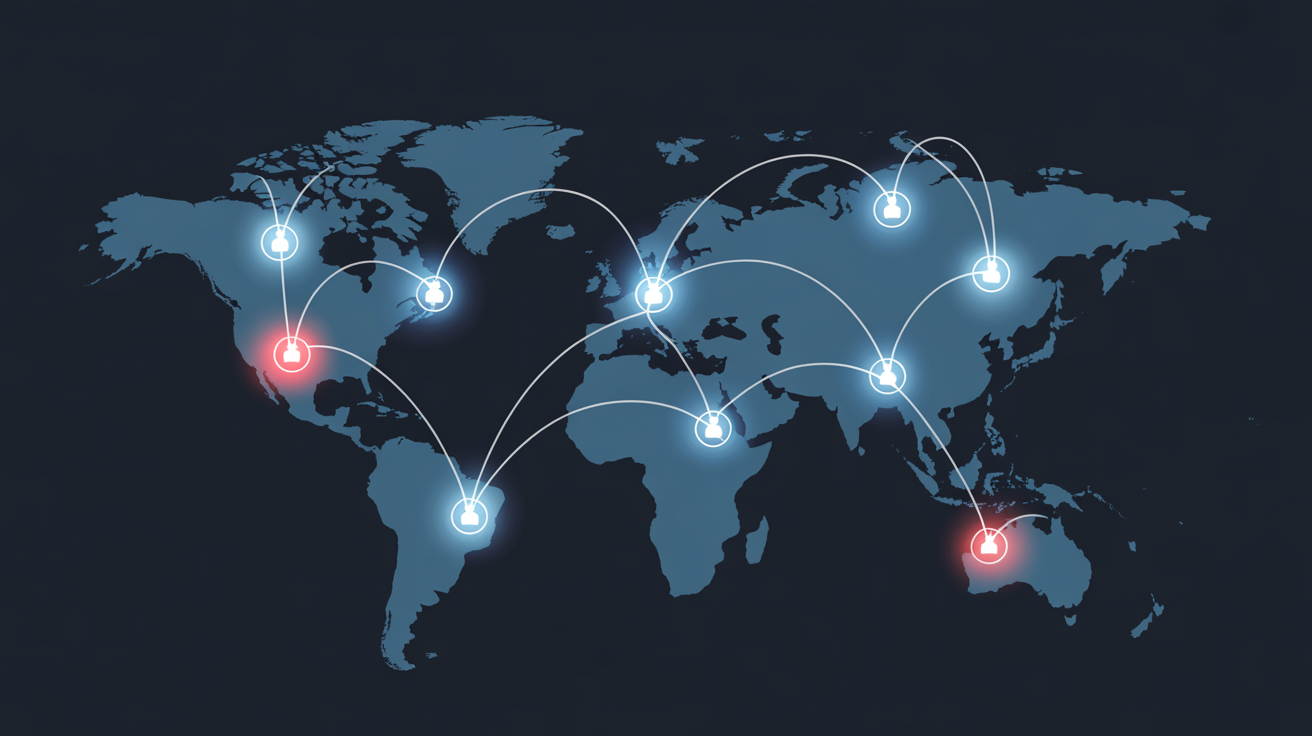
COVID-19 and geopolitical tensions demonstrated the risks of geographic concentration. Leading companies now apply geographic diversification at three levels: regional diversification (suppliers across different regions), country diversification (avoiding over-reliance on any single country), and site diversification (ensuring key suppliers have multiple manufacturing locations). A practical approach is the "China Plus One" strategy — maintaining Chinese suppliers while qualifying alternatives in Vietnam, India, Mexico, or Eastern Europe.
Supplier Financial Health Monitoring
A supplier's financial distress is one of the most predictable — yet frequently missed — causes of supply disruption. Implementing continuous financial monitoring using services like Dun & Bradstreet, CreditSafe, or Rapid Ratings provides early warning signals. Key indicators include deteriorating payment patterns to their own suppliers, declining revenue trends, increasing debt-to-equity ratios, and management turnover. Establish trigger thresholds that activate contingency plans before a supplier fails.
Tiered Qualification Programs
Not all suppliers need the same level of scrutiny. Implement a tiered approach: Tier 1 (critical, sole-source, or high-spend) receives full on-site audits annually, continuous monitoring, and business continuity plan reviews. Tier 2 (important but dual-sourced) receives biennial audits and quarterly scorecards. Tier 3 (commodity, easily replaceable) receives annual self-assessments and risk-based sampling. This tiered approach allocates resources where they create the most risk reduction value.
Building Supplier Development Programs
The most resilient supplier networks are not just managed — they are actively developed. Supplier development programs invest in improving supplier capabilities through training, technical assistance, and collaborative improvement projects. Toyota's supplier development approach — sending engineers to work alongside supplier teams — has been adopted by leading manufacturers across industries. The return is remarkable: stronger suppliers, better quality, lower costs, and deeper partnerships that prioritize your orders during shortages.
Technology-Enabled Supplier Visibility
Modern supplier risk management platforms aggregate data from hundreds of sources — news feeds, social media, weather services, financial databases, and IoT sensors — to provide real-time visibility into supplier risk. These platforms use AI to identify emerging risks before they become disruptions. Investment in these tools has increased 40% since 2020, and organizations using them report 60% faster response times to supply disruptions.
SupplySourceSync helps organizations build resilient supplier networks through supplier development programs and risk management frameworks. Our team at Exceleor LLC has guided Fortune 500 companies through supplier network transformations that deliver both resilience and cost optimization.
Need Supply Chain Expertise?
Our team can help you implement the strategies discussed in this article. Download our free resources or schedule a consultation.