Excess Inventory and Stockouts at the Same Time? Why It Happens
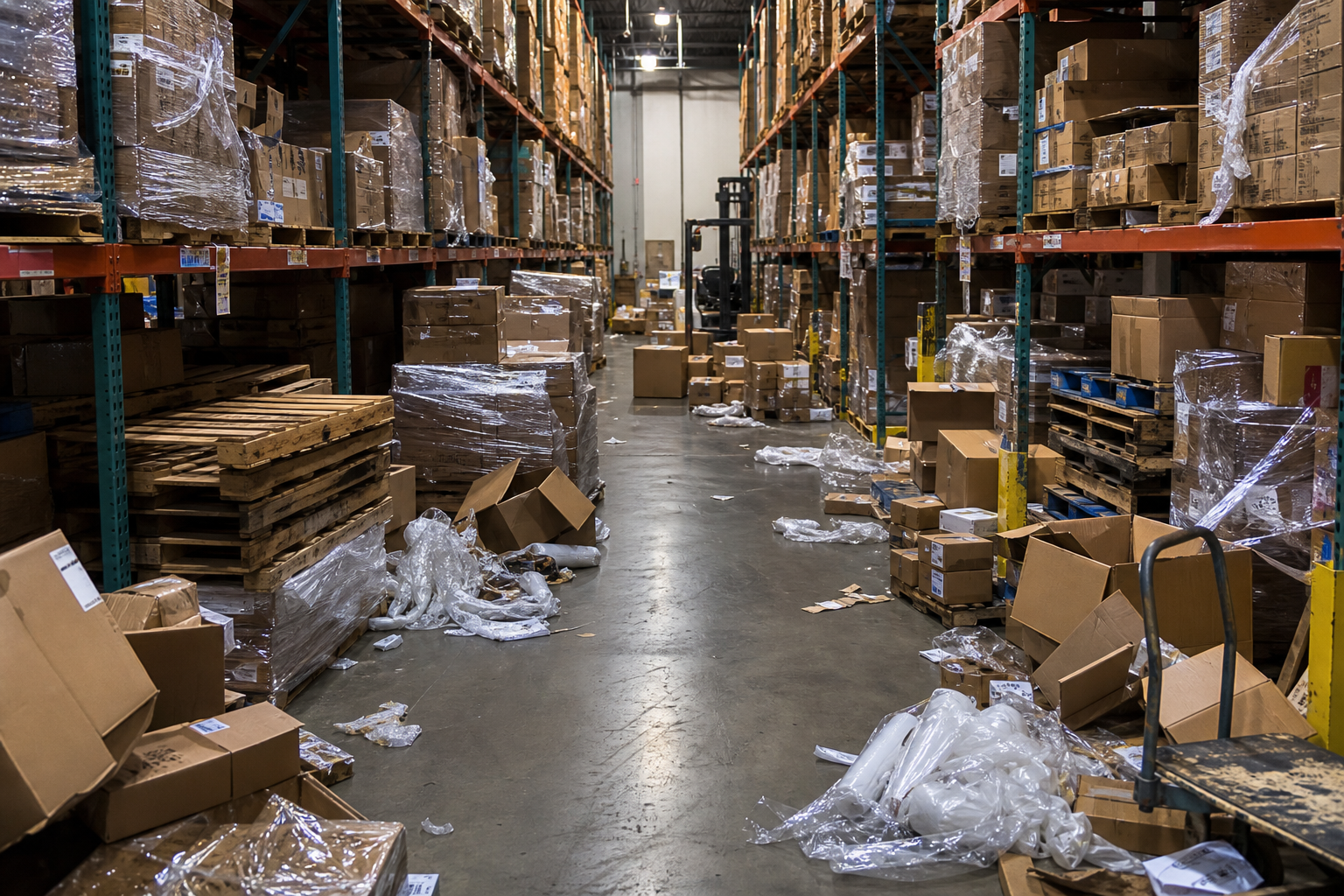
The warehouse is full. Finance is asking why inventory is up again. And the line just stopped because one part is missing. If excess inventory and stockouts are happening at the same time in your operation, you are not managing too much or too little inventory. You are managing the wrong inventory.
It is one of the most common and frustrating patterns in manufacturing, and one of the most misunderstood. Here is why it happens.
Signs You Have an Inventory Imbalance, Not an Inventory Level Problem
- Total inventory is high, yet shortage lists are a daily meeting topic.
- Slow-moving and obsolete stock keeps growing while fast movers run out.
- Planners override system recommendations as a matter of routine.
- Every part is planned roughly the same way, regardless of how it behaves.
- Expediting and premium freight have become normal operating procedure.
- Past inventory reduction pushes led directly to more stockouts.
What the Imbalance Costs
Excess inventory ties up cash, consumes floor space, ages into obsolescence and hides problems. Stockouts stop lines, delay orders and trigger expediting. When you have both, you pay both bills at once: carrying costs on the wrong parts and shortage costs on the right ones.
Then freight takes its share. Premium freight becomes the tool that bridges the gap between what you have and what you need, and it goes straight to margin. Many manufacturers in this situation are paying to store parts they do not need while paying again to rush parts they do.
Why Cutting Inventory Makes It Worse
The standard response to high inventory is a reduction target: cut 20 percent by year end. Without changing how parts are planned, the cuts land wherever it is easiest, often on the parts that were keeping the line running. Stockouts rise, expediting rises, and within months inventory creeps back up as planners protect themselves.
The opposite response, buying more safety stock after painful shortages, grows inventory on everything and still misses the parts that actually run out. Both treat inventory as a single number rather than thousands of parts with very different behaviors.
What a Balanced Inventory Looks Like
In a balanced operation, each part is planned according to how it actually behaves. Inventory sits where it protects the business and disappears where it does not. Shortages become rare events instead of daily ones, expediting drops, obsolete stock stops accumulating and total inventory comes down without service suffering. Planners trust the system instead of working around it.
What the Turnaround Typically Looks Like
A common starting point: rising inventory, daily shortages and a freight bill nobody can explain. Once parts are planned by how they behave rather than by one blanket rule, the shortage list shrinks, premium freight falls, and inventory drops in the places it was never needed, while service to customers improves at the same time.
Frequently Asked Questions
How can we have excess inventory and stockouts at the same time?
Because inventory is concentrated in the wrong parts. Planning every part the same way over-protects some and under-protects others.
Will an inventory reduction target fix it?
Usually not on its own. Blanket cuts often hit the wrong parts, increasing stockouts and expediting.
Is this a software problem?
Rarely at root. Most planning systems can support better policies. The issue is usually how parts are classified and planned within them.
How does premium freight connect to inventory?
Premium freight is often the cost of bridging a mismatch between the inventory you hold and the inventory you need.
If This Is Your Situation
"Too much inventory, still stocking out, and freight is eating our margin." If that sentence sounds like your week, you don't need another article. You need someone who has fixed it before to look at your specific situation. See how we approach this situation, or request a Situation Review. Tell us what's going on in a few sentences and we'll come back with how we'd tackle it. It's a conversation, not a sales pitch.
Related reading: Premium Freight Is a Symptom · Inventory Out of Control? Signs to Watch · Inventory Optimization
Need Supply Chain Expertise?
Our team can help you implement the strategies discussed in this article. Download our free resources or schedule a consultation.