Plan for Every Part (PFEP): What It Is and Why Most Plants Don't Have One
If you have been researching lean inventory, you have probably run into three letters: PFEP. A Plan for Every Part is exactly what it sounds like: a single, agreed definition of how every purchased part in your operation is sourced, received, stored, delivered to the point of use and replenished.
It is one of the most powerful and least glamorous tools in lean manufacturing. This article explains what it changes for a plant, and why so many PFEP efforts start and never finish.
Signs Your Plant Needs a PFEP
- Different people give different answers about how a given part is handled.
- Material handling routes and storage locations evolved by accident.
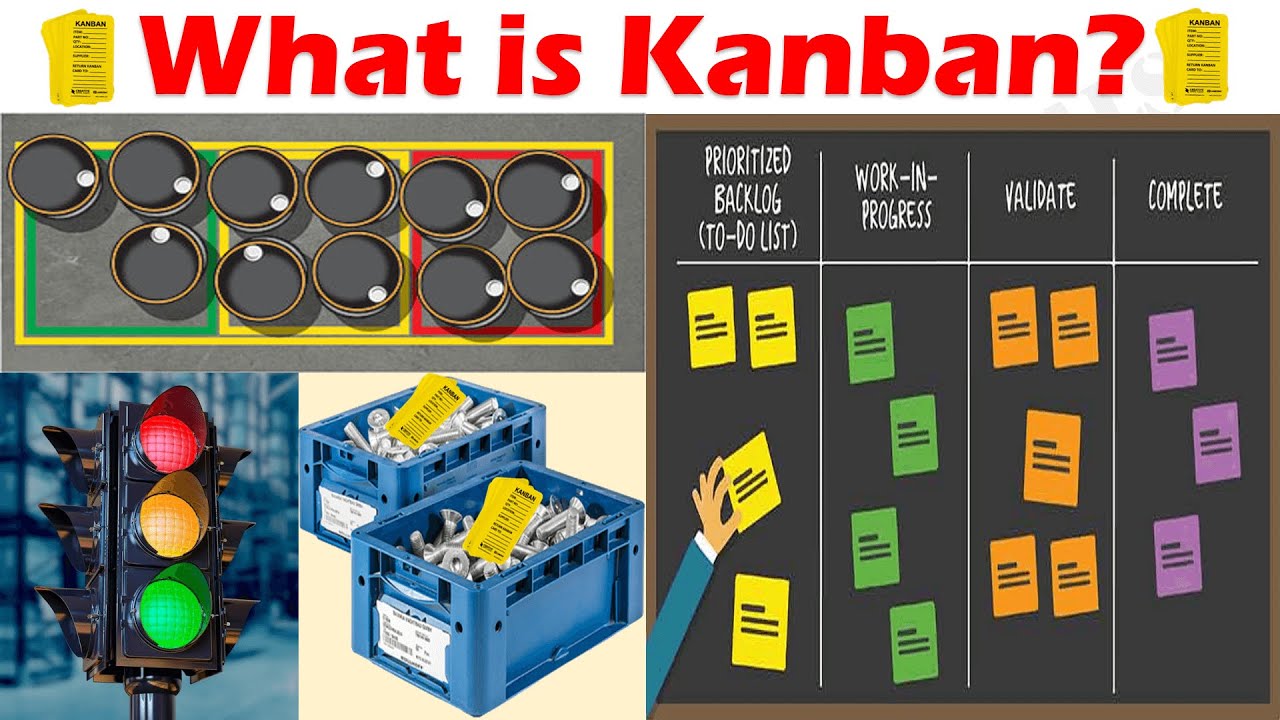
- You want to implement kanban or a supermarket, but the part data isn't there.
- Packaging and pack quantities from suppliers don't fit how parts are used.
- Inventory decisions are made part by part, crisis by crisis.
What a Missing PFEP Costs
Without a plan for every part, each part gets handled by habit. Some are over-ordered, some under-ordered, many are stored in the wrong place or the wrong quantity, and handlers spend their days compensating. The cost shows up as excess inventory, shortages, wasted floor space, extra handling and a planning system nobody trusts.
The missing PFEP also blocks improvement. Kanban, supermarkets, milk runs and point-of-use delivery all depend on accurate part information. Without it, those initiatives stall, and the organization concludes that lean "doesn't work here."
Why Most PFEP Efforts Never Finish
PFEP efforts usually fail for predictable reasons. They are treated as a data-entry project rather than an operating decision. They are handed to one person to build alone. They try to capture everything at once, stall under the volume, and then go stale because nobody owns keeping them current.
A PFEP that is not used to make decisions is just a large spreadsheet. The value comes from the decisions it enables and the discipline of keeping it alive, and that is where most efforts break down.
What a Working PFEP Changes
When a plan for every part is in place and maintained, the plant has one version of the truth for how parts flow. Storage, delivery and replenishment decisions become deliberate. Kanban and other pull systems have a foundation to run on. New parts are planned before they arrive rather than after they cause a problem. And inventory reductions hold because they are built into the plan.
What the Turnaround Typically Looks Like
A typical case: a plant that tried PFEP once, ended up with an abandoned spreadsheet and assumed the concept did not fit. When PFEP is built as an operating decision with clear ownership and a maintenance rhythm, it becomes the foundation for controlled inventory and a successful move to pull replenishment.
Frequently Asked Questions
What is a Plan for Every Part (PFEP)?
A lean tool that defines, for every part, how it is sourced, received, stored, delivered to the point of use and replenished, so the whole operation works from one agreed plan.
Do we need a PFEP before implementing kanban?
In most cases, yes. Kanban depends on accurate part information, which the PFEP provides.
Why do PFEP projects fail?
They are often treated as data-entry exercises, built by one person, attempted all at once and never maintained.
Is PFEP only for large plants?
No. Smaller operations often see results faster because the part count is manageable.
If This Is Your Situation
"I've been asked to get inventory under control. What's best practice?" If that sentence sounds like your week, you don't need another article. You need someone who has fixed it before to look at your specific situation. See how we approach this situation, or request a Situation Review. Tell us what's going on in a few sentences and we'll come back with how we'd tackle it. It's a conversation, not a sales pitch.
Related reading: Inventory Out of Control? Signs to Watch · Why Kanban Implementations Fail · Inventory Optimization
Need Supply Chain Expertise?
Our team can help you implement the strategies discussed in this article. Download our free resources or schedule a consultation.