Inventory Out of Control? Signs Your Parts Were Never Really Planned
The request usually comes from the top and it is usually short: "Get inventory under control." No definition of what control means, no budget and a deadline that is already uncomfortable. If you have been handed that assignment, you are not alone, and the fact that inventory is out of control is almost never because people are not trying.
In most plants, the real issue is simpler and deeper: the parts were never really planned. They were bought, stored and replenished according to habit, history and whoever shouted loudest. This article describes what that looks like and why it keeps coming back.
Signs Your Parts Were Never Really Planned
- Nobody can say, for a given part, how much should be on hand, where it should live and how it gets replenished.
- Storage locations drift: the same part lives in three places, or nowhere official.
- Order quantities come from the supplier's minimum or "what we always order."
- Material handlers keep their own stashes near the line "just in case."
- Cycle counts constantly disagree with the system.
- Every inventory initiative starts strong and fades within a year.
What Unplanned Inventory Costs
Unplanned inventory costs money in every direction. Cash is tied up in parts nobody needs. Floor space fills with material. Operators and handlers spend time searching, counting and moving parts instead of building product. Shortages still happen because the right part is not where it should be, or does not exist at all.
There is a management cost too. When nobody trusts the numbers, every decision becomes a debate, every shortage becomes a fire drill, and leadership keeps asking the same question you were just assigned to answer.
Why Inventory Initiatives Keep Fading
Most inventory pushes attack the symptoms: a clean-out weekend, a reduction target, a new shelving layout or a stricter cycle-count program. Each helps for a while. But without a defined plan for how each part should be handled, the old habits quietly return and inventory drifts back to where it was.
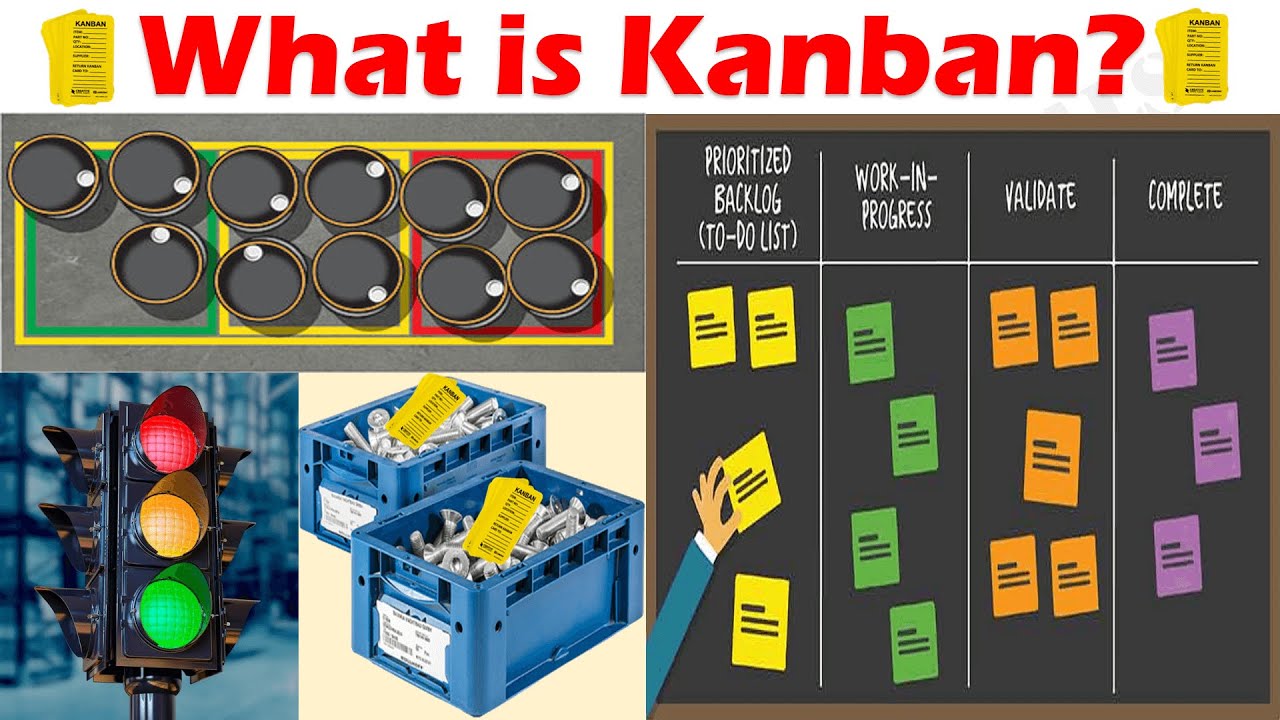
The other common mistake is jumping straight to a tool, whether a new system, kanban or a vendor-managed program, before the basics are in place. Tools amplify whatever foundation they sit on. On an unplanned foundation, they amplify the chaos.
What "Under Control" Actually Means
Inventory is under control when every part has a defined way of being handled, from how it arrives to where it lives to how it gets replenished, and when the actual operation matches that definition. The numbers in the system match the shelf. Shortages are rare and explainable. Inventory goes down because it is no longer needed, and it stays down because the plan is maintained, not because someone is policing it.
What the Turnaround Typically Looks Like
A familiar scenario: an operations leader tasked with "getting inventory under control" after several failed attempts. Once the operation moves from habit-driven handling to a defined plan for its parts, inventory accuracy improves, shortages drop, floor space opens up, and the reduction finally holds because the plan, not a push, is keeping it in place.
Frequently Asked Questions
What does it mean when inventory is out of control?
Usually that parts are bought, stored and replenished by habit rather than by a defined plan, so inventory levels, locations and accuracy drift over time.
What is best practice for getting inventory under control?
Best practice starts with defining how each part should be handled before applying tools or targets. Our situation page for this scenario explains how we approach it.
Should we implement kanban first?
Kanban works well once parts are properly defined. Implemented on top of unplanned inventory, it usually struggles.
Why do inventory reductions not last?
Because they change the level without changing the plan behind it, so old habits rebuild the inventory.
If This Is Your Situation
"I've been asked to get inventory under control. What's best practice?" If that sentence sounds like your week, you don't need another article. You need someone who has fixed it before to look at your specific situation. See how we approach this situation, or request a Situation Review. Tell us what's going on in a few sentences and we'll come back with how we'd tackle it. It's a conversation, not a sales pitch.
Related reading: What a Plan for Every Part (PFEP) Is · Excess Inventory and Stockouts at the Same Time · Inventory Optimization
Need Supply Chain Expertise?
Our team can help you implement the strategies discussed in this article. Download our free resources or schedule a consultation.