Kanban Benefits: Is Kanban Right for Your Plant? What It Fixes and What It Doesn't
Someone in leadership read about kanban, or a customer suggested it, and now it is on your list: "We need to implement kanban to control inventory and cut cost." Before committing, it is worth asking a simpler question: is kanban actually the right answer for your operation, and for which parts?
This article lays out the real kanban benefits, where kanban falls short, and how it fits alongside the planning system you already have.
Signs Kanban Could Help You
- A meaningful share of your parts have steady, repeatable usage.
- Planners spend much of their time on routine replenishment of the same parts.
- Shortages on common, low-cost parts regularly disrupt production.
- Your planning system generates more noise than useful signals for high-volume parts.
- You want replenishment that is visible on the floor, not just in the system.
What Kanban Fixes, and What It Doesn't
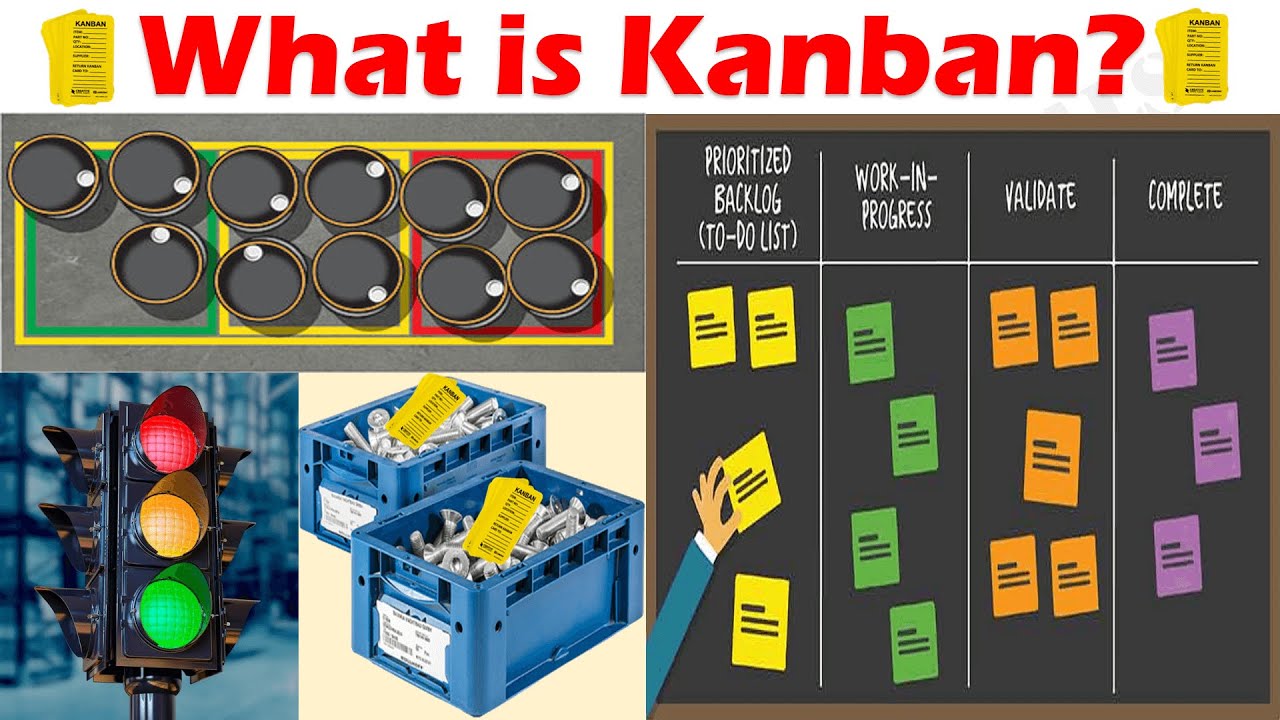
Where it fits, kanban delivers real benefits: lower and more stable inventory, fewer shortages on routine parts, replenishment that is visible to everyone and a large reduction in planner workload on repetitive items. It frees people to focus on the parts that genuinely need attention.
But kanban does not fix erratic demand, poor supplier reliability, quality problems or missing part data. It does not replace planning for new products, engineering changes or seasonal swings. Applied where it does not fit, it creates the very shortages it was meant to eliminate.
Kanban vs. MRP: Why It's Rarely Either-Or
Many companies frame the decision as kanban vs. MRP. In reality, the strongest operations use both: kanban for steady, repeatable parts and system-driven planning for parts with lumpy or unpredictable demand. The question is not which tool wins, but which parts belong to which method.
Getting that split right is the difference between a kanban that simplifies the operation and one that becomes another failed initiative.
What Success Looks Like
In a plant where kanban is the right fit and well implemented, the right parts replenish themselves, planners manage exceptions instead of routine orders, inventory is lower and steadier, and shortages on kanban parts become rare. Leadership gets the cost reduction it asked for, without the side effects of forcing a tool where it does not belong.
What the Turnaround Typically Looks Like
A common situation: a leadership team wants kanban everywhere, and the operations team suspects it will not fit every part. With a clear decision about which parts belong on kanban and which stay with system planning, the rollout focuses where it will work, delivers visible results quickly and earns the credibility to expand.
Frequently Asked Questions
What are the main benefits of kanban?
Lower and more stable inventory, fewer shortages on routine parts, visual replenishment on the floor and less planner time spent on repetitive orders.
Is kanban better than MRP?
Neither is better universally. Most strong operations use kanban for steady parts and MRP-style planning for erratic or project-driven parts.
When should you not use kanban?
For parts with highly erratic or one-off demand, unreliable suppliers or poorly defined part data, at least until those issues are addressed.
If This Is Your Situation
"My company needs to implement kanban to control inventory and cut cost. What do I do?" If that sentence sounds like your week, you don't need another article. You need someone who has fixed it before to look at your specific situation. See how we approach this situation, or request a Situation Review. Tell us what's going on in a few sentences and we'll come back with how we'd tackle it. It's a conversation, not a sales pitch.
Related reading: Why Kanban Implementations Fail · Demand Forecasting Fundamentals · Inventory Optimization
Need Supply Chain Expertise?
Our team can help you implement the strategies discussed in this article. Download our free resources or schedule a consultation.