Scenario Planning and Stress Testing Your Supply Chain
Preparing for Uncertainty, Not Predicting It
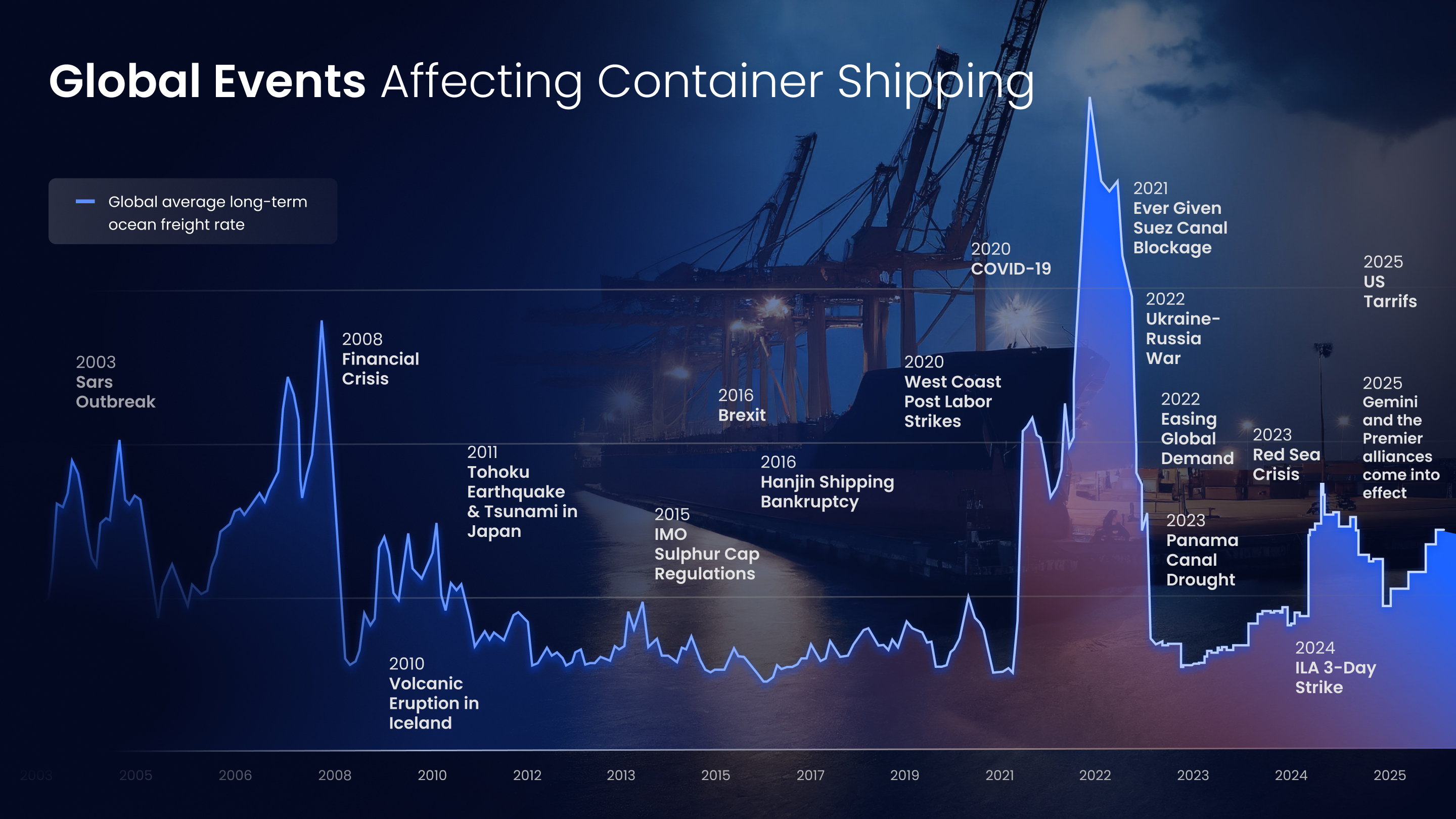
No one can reliably predict the next supply chain shock — a pandemic, a tariff, a supplier failure, a regional conflict. But you do not need prediction to be prepared. Scenario planning and stress testing shift the question from "what will happen?" to "what would happen to us if it did, and are we ready?" They reveal where your supply chain breaks before a real event finds those weak points for you.
Build Realistic, Relevant Scenarios
Effective scenarios are specific to your supply chain, not generic doomsday stories. Draw on your risk register to construct plausible events: the loss of your largest single-source supplier, a shutdown in a region where much of your spend concentrates, a sudden demand spike, or a major logistics-lane disruption. A handful of well-chosen, realistic scenarios is far more useful than an exhaustive catalog.
Stress Test Against Each Scenario
For each scenario, trace the consequences through your operation. How long until production is affected? Which products and customers are hit? What is the revenue at risk? How quickly could you recover with current plans? This analysis converts an abstract risk into concrete numbers — and those numbers make the case for mitigation far more powerfully than a color-coded heat map ever could.
Expose the Hidden Weak Points
Stress testing consistently surfaces vulnerabilities that day-to-day operations hide: an unrecognized single point of failure, a "backup" supplier who was never actually qualified, buffer stock that is thinner than assumed, or a recovery plan that takes far longer than leadership believed. Finding these in an exercise is vastly cheaper than finding them in a crisis.
Turn Findings Into Prioritized Action
Scenario planning is only valuable if it drives decisions. Rank the vulnerabilities it reveals by likelihood and impact, and invest in mitigation where the exposure is greatest — dual sourcing, strategic buffers, alternate logistics, or contractual protections. This links resilience investment directly to demonstrated risk rather than to intuition.
Make It a Habit
Supply chains and the risk landscape both change continuously, so a one-time exercise decays quickly. Organizations that run scenario planning and stress tests on a regular cadence keep their resilience current and build the institutional muscle to respond fast when a real disruption arrives. Preparedness, practiced regularly, becomes a genuine competitive advantage.
SupplySourceSync helps manufacturers run scenario planning and stress testing to find and fix supply chain vulnerabilities before disruption strikes. Explore supply chain resilience planning or request a stress-test workshop.
Need Supply Chain Expertise?
Our team can help you implement the strategies discussed in this article. Download our free resources or schedule a consultation.