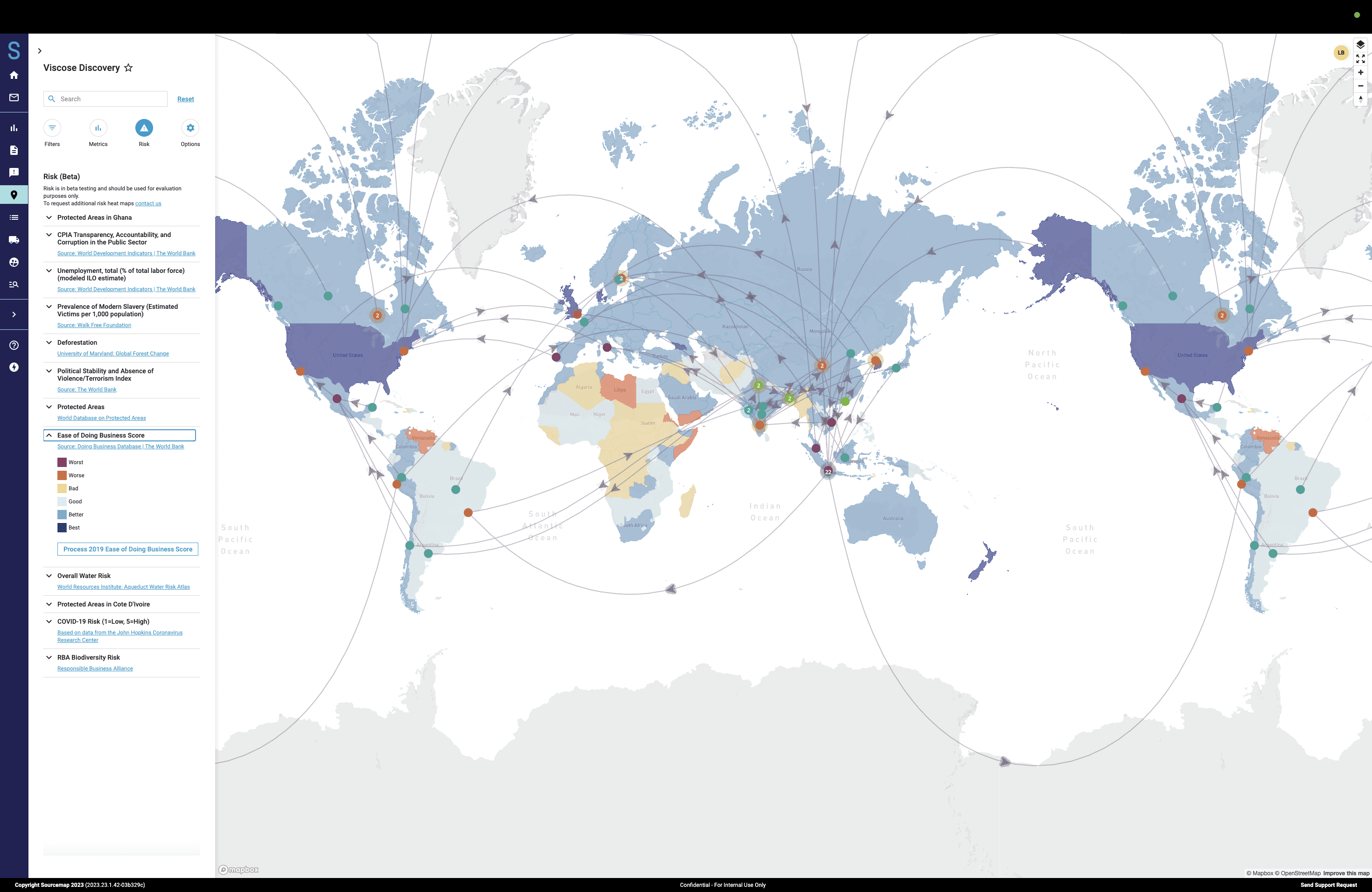
Supply Chain Resilience Planning
Develop comprehensive resilience strategies including dual-sourcing, nearshoring assessments, and business continuity plans that protect your operations from disruption.
Overview
The pandemic exposed a fundamental truth: supply chains optimized solely for efficiency are fragile. Modern supply chain management requires a deliberate balance between efficiency and resilience — the ability to absorb disruptions and recover quickly. Our Supply Chain Resilience Planning service helps manufacturers, defense contractors, and distributors build supply chains that can withstand pandemics, natural disasters, geopolitical disruptions, and supplier failures. We develop dual-sourcing strategies, nearshoring assessments, strategic buffer policies, and comprehensive business continuity plans. With experience managing global supply chains across Japan, Korea, and China for Fortune 500 operations, our team understands the real-world complexities of building resilience without sacrificing competitiveness.
Key Benefits & Outcomes
Our Methodology
Vulnerability Assessment
Identify critical vulnerabilities, dependencies, and failure points across your supply chain network.
Strategy Development
Design resilience strategies including dual-sourcing, nearshoring, buffers, and contingency plans.
Implementation Planning
Create detailed implementation roadmap with timelines, investments, and expected resilience improvements.
Testing & Validation
Conduct tabletop exercises and disruption simulations to validate resilience plans and identify gaps.
Case Study: Pharmaceutical Company
Multiple cold chain failures and single-source API dependencies threatening patient safety and regulatory compliance across 15 product lines.
Implemented dual-source strategies for all critical APIs, redesigned cold chain with IoT monitoring, and achieved zero cold chain excursions for 18+ months.
Frequently Asked Questions
What is supply chain resilience?
Supply chain resilience is the ability of a supply chain to anticipate disruptions, adapt to changing conditions, and recover quickly from unexpected events while maintaining continuous supply of products and services.
How is resilience different from risk management?
Risk management focuses on identifying and mitigating specific risks. Resilience goes further by building adaptive capacity — the ability to respond to unforeseen disruptions that were not specifically identified in risk assessments.
Does building resilience increase costs?
Strategic resilience investments typically pay for themselves within 12-18 months through avoided disruption costs. The average cost of a major supply chain disruption is $184M — far exceeding the investment in resilience planning.
Explore Our Other Services
Ready to Get Started?
Our supply chain experts are ready to assess your needs and develop a customized solution. Schedule your free consultation today.