Supply Chain Resilience: Lessons Learned from the Pandemic for Manufacturers
The Wake-Up Call That Changed Everything
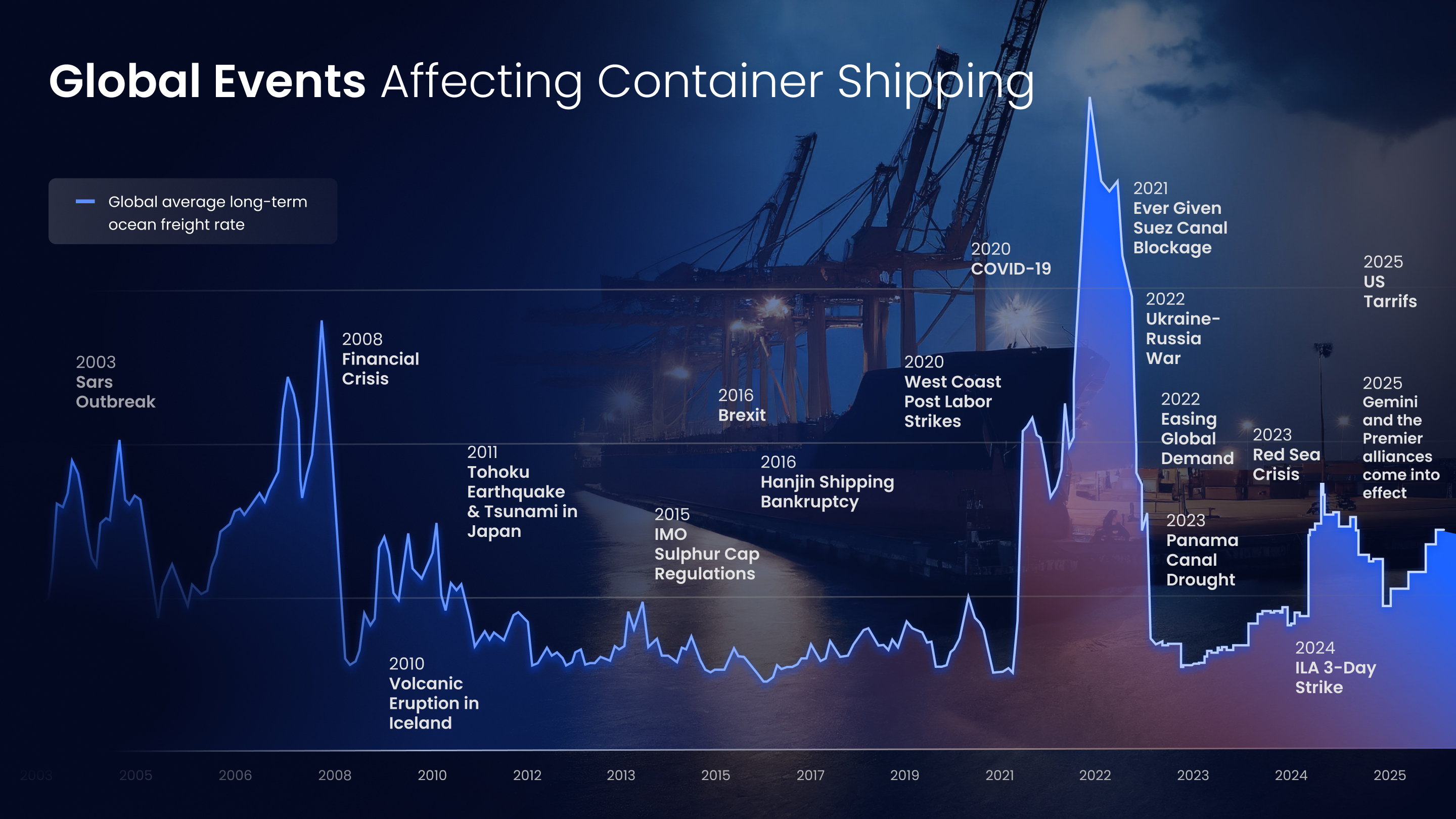
The global pandemic was the most significant stress test ever applied to modern supply chains. Manufacturers worldwide watched helplessly as single-source suppliers shut down, shipping lanes collapsed, and demand patterns became unpredictable overnight. The total cost to global supply chains exceeded $4 trillion.
But this crisis also delivered invaluable lessons. The organizations that emerged strongest were not those with the lowest costs — they were the ones that had invested in resilience. Here are the critical takeaways every manufacturer must internalize.
Lesson 1: Single-Source Dependencies Are Existential Risks
The pandemic revealed that many manufacturers relied on single suppliers for critical components — often without even realizing the extent of their exposure. When one supplier in Wuhan shut down, production lines across three continents stopped.
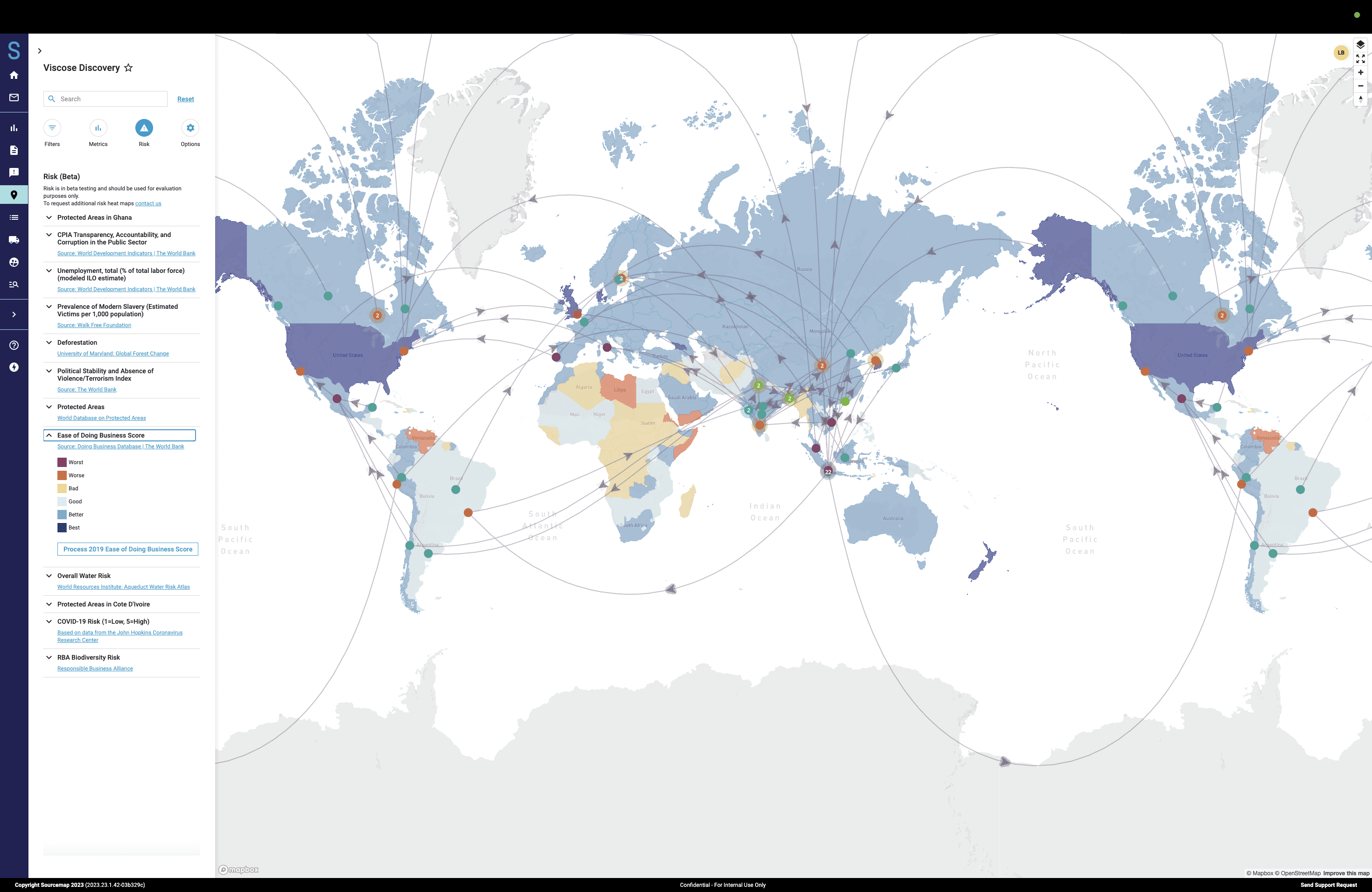
Action Required: Map your entire supply chain to at least tier 3. Identify every single-source dependency. Develop dual-source strategies for all critical components, even if the second source costs 10-15% more. Think of it as insurance — the cost of a dual-source strategy is a fraction of the cost of a production shutdown.
Lesson 2: Geographic Concentration Creates Systemic Risk
Organizations that sourced 80%+ of their components from a single region discovered the danger of geographic concentration. When that region experienced lockdowns, tariffs, or logistics disruptions, the entire supply chain collapsed simultaneously.
Action Required: Diversify your supply base geographically. Consider nearshoring strategies that bring critical production closer to end markets. Evaluate total cost of ownership (not just unit price) when assessing geographic diversification options.
Lesson 3: Inventory Is Strategic, Not Just Financial
Just-in-time inventory strategies that minimized carrying costs also minimized resilience. Manufacturers with 2-3 days of inventory were immediately vulnerable when supply disruptions occurred. Those with strategic buffer stock weathered the storm.
Action Required: Reclassify inventory as a strategic asset, not just a financial metric. Implement differentiated inventory policies — lean for low-risk items, strategic buffers for critical components. Use ABC/XYZ analysis to make data-driven inventory decisions.
Lesson 4: Visibility Is the Foundation of Agility
Organizations with real-time supply chain visibility could identify disruptions early and pivot quickly. Those relying on spreadsheets and quarterly reviews were weeks behind in their response.
Action Required: Invest in supply chain visibility tools. Implement supplier communication platforms that provide real-time status updates. Deploy IoT sensors for critical shipment monitoring. Build a supply chain control tower that provides end-to-end visibility.
Lesson 5: Supplier Financial Health Is Your Problem
When the pandemic hit, financially weak suppliers were the first to fail. Manufacturers discovered too late that their critical suppliers were one bad quarter away from bankruptcy.
Action Required: Implement ongoing supplier financial health monitoring. Include financial metrics in your supplier scorecard. For critical suppliers, require quarterly financial disclosures and establish early warning triggers.
Building Forward: The New Supply Chain Imperative
The pandemic did not create supply chain risks — it revealed risks that always existed. The manufacturers that thrive in the coming decade will be those that deliberately build resilience into their supply chain DNA, not as an afterthought but as a core strategic capability.
Resilience is not the opposite of efficiency. It is the foundation that makes sustainable efficiency possible. Build your supply chain on this foundation, and you will not just survive the next disruption — you will gain competitive advantage from it.
SupplySourceSync helps manufacturers build resilient supply chains through comprehensive risk assessment, dual-sourcing strategies, and supply chain transformation programs. Contact us for a free supply chain resilience evaluation.
Need Supply Chain Expertise?
Our team can help you implement the strategies discussed in this article. Download our free resources or schedule a consultation.